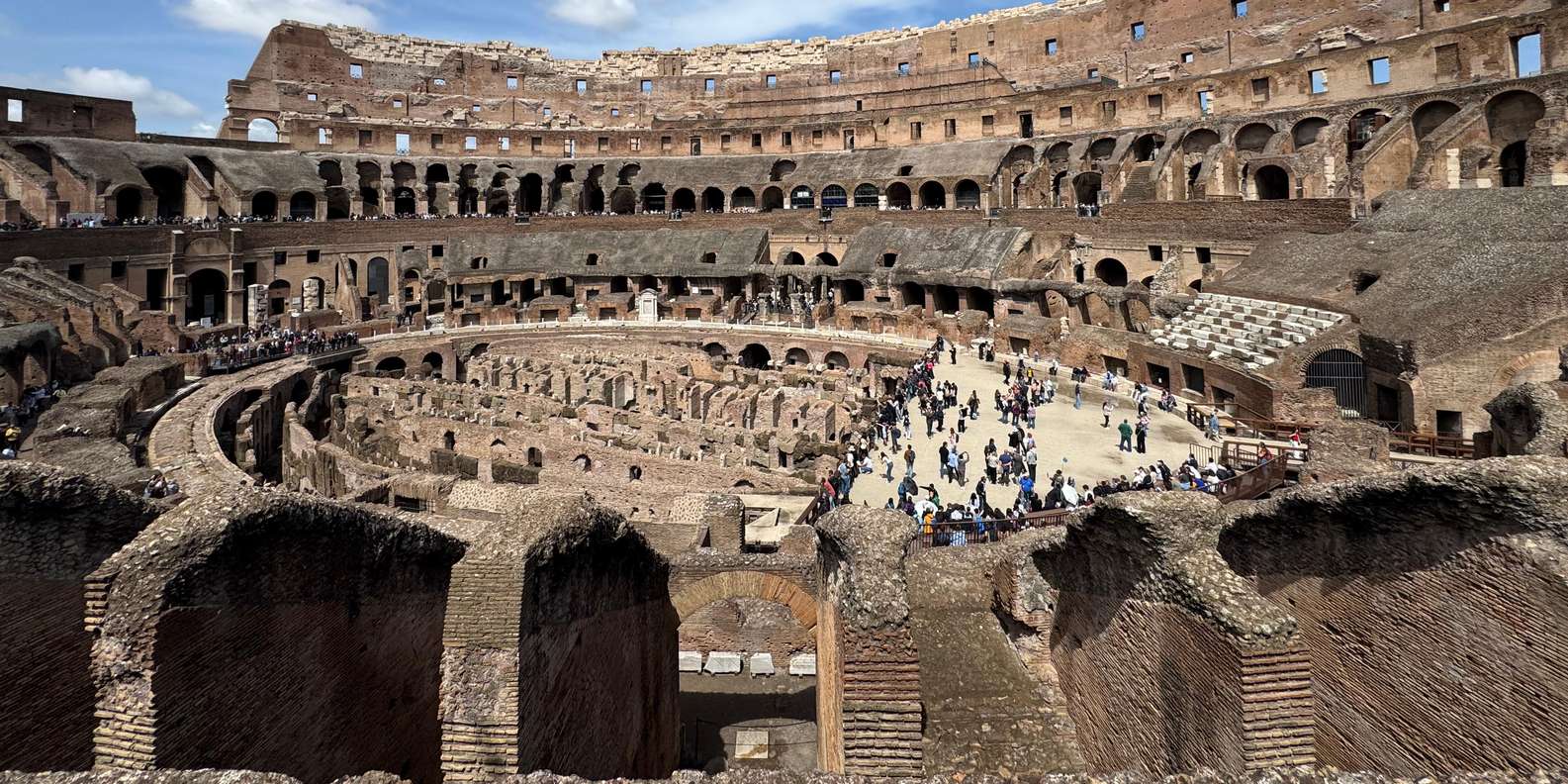
The Roma Pass isn’t a scam. It’s a €62.90 product that returns about €56 of value — and the two “free” entries still cost you €2 each to book.
That’s the whole verdict, and everything below is us showing our work. This site is named after the Roma Pass and we sell nothing if you skip it, so let’s be direct: for most 2–3 day first visits, the pass loses. It wins for a specific kind of traveller, and we’ll tell you exactly who that is.
The mistake almost everyone makes
The default plan goes: “three days in Rome, lots of sights, obviously get the city pass.” It feels like the obvious move. Passes are how cities package themselves, and €62.90 for 72 hours sounds like the bulk discount.
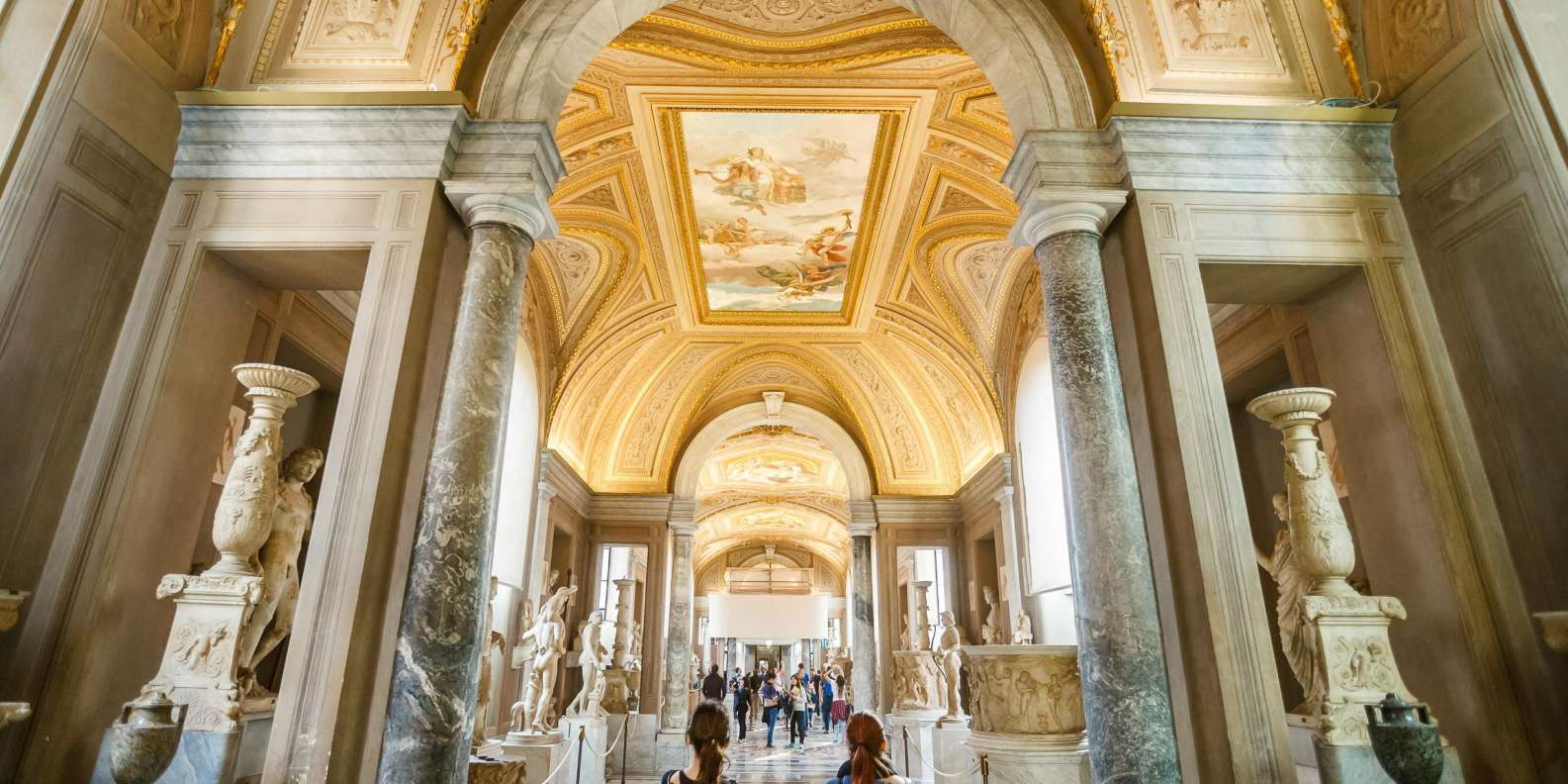
But a Rome city pass isn’t a buffet. It’s two admissions and a transit card, and the moment you write down what you’ll genuinely visit, the maths gets thin fast. The single biggest reason: the Vatican isn’t in it. The Vatican Museums, the Sistine Chapel and St Peter’s Basilica sit in a different sovereign state and are not Roma Pass partners. For a first-timer, that’s often half the trip — and the pass can’t touch it.
So the question was never “is €62.90 a lot for three days of sightseeing.” It’s “do I have four or more paid Roman attractions on my list, and will I really ride the metro that hard?” Most people don’t, and won’t.
The arithmetic, best case
Here’s the 72-hour pass given every advantage: both free entries spent on the two priciest eligible sites, and every hour of transport extracted.
| What you get | Value returned |
|---|---|
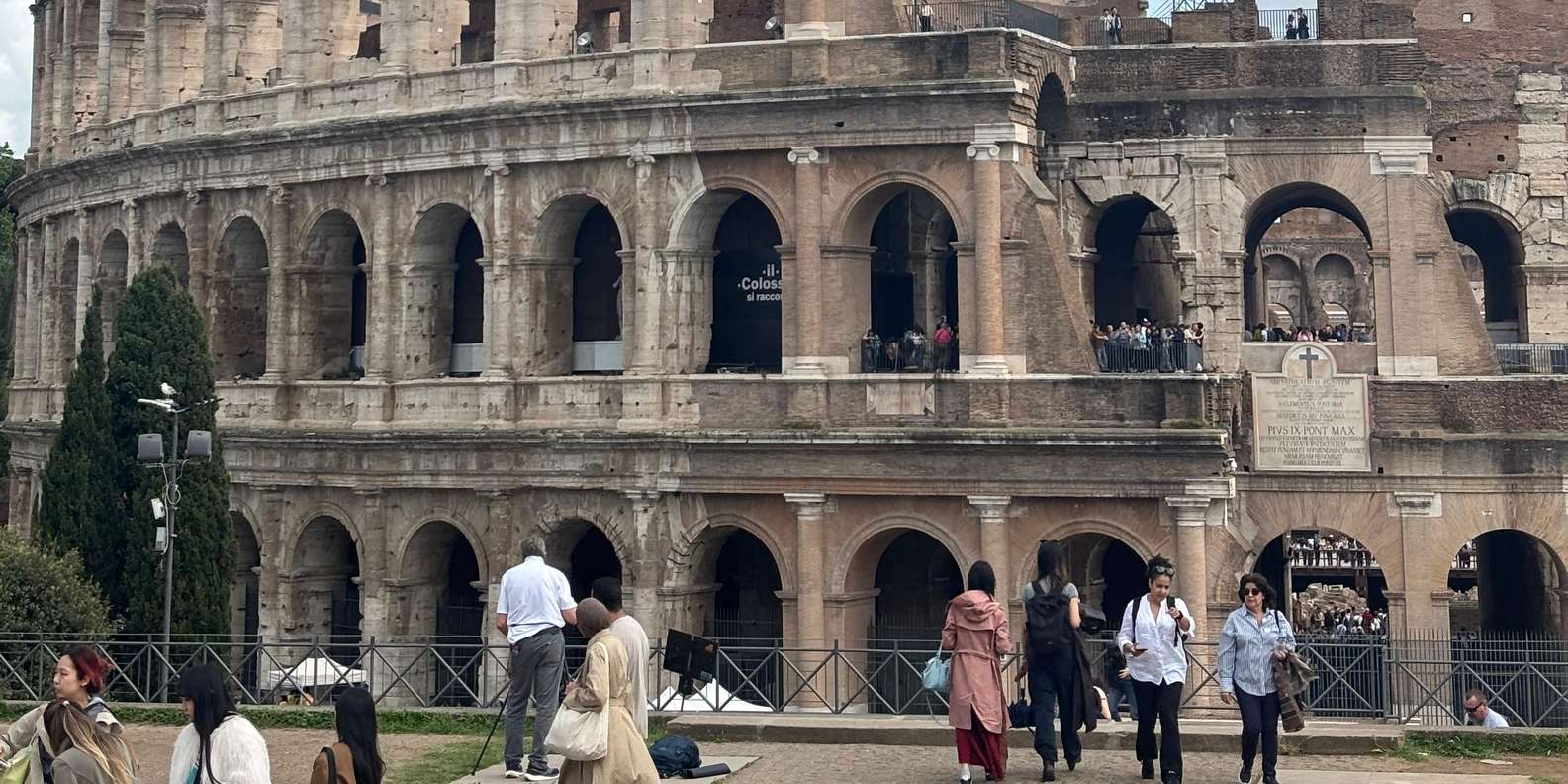
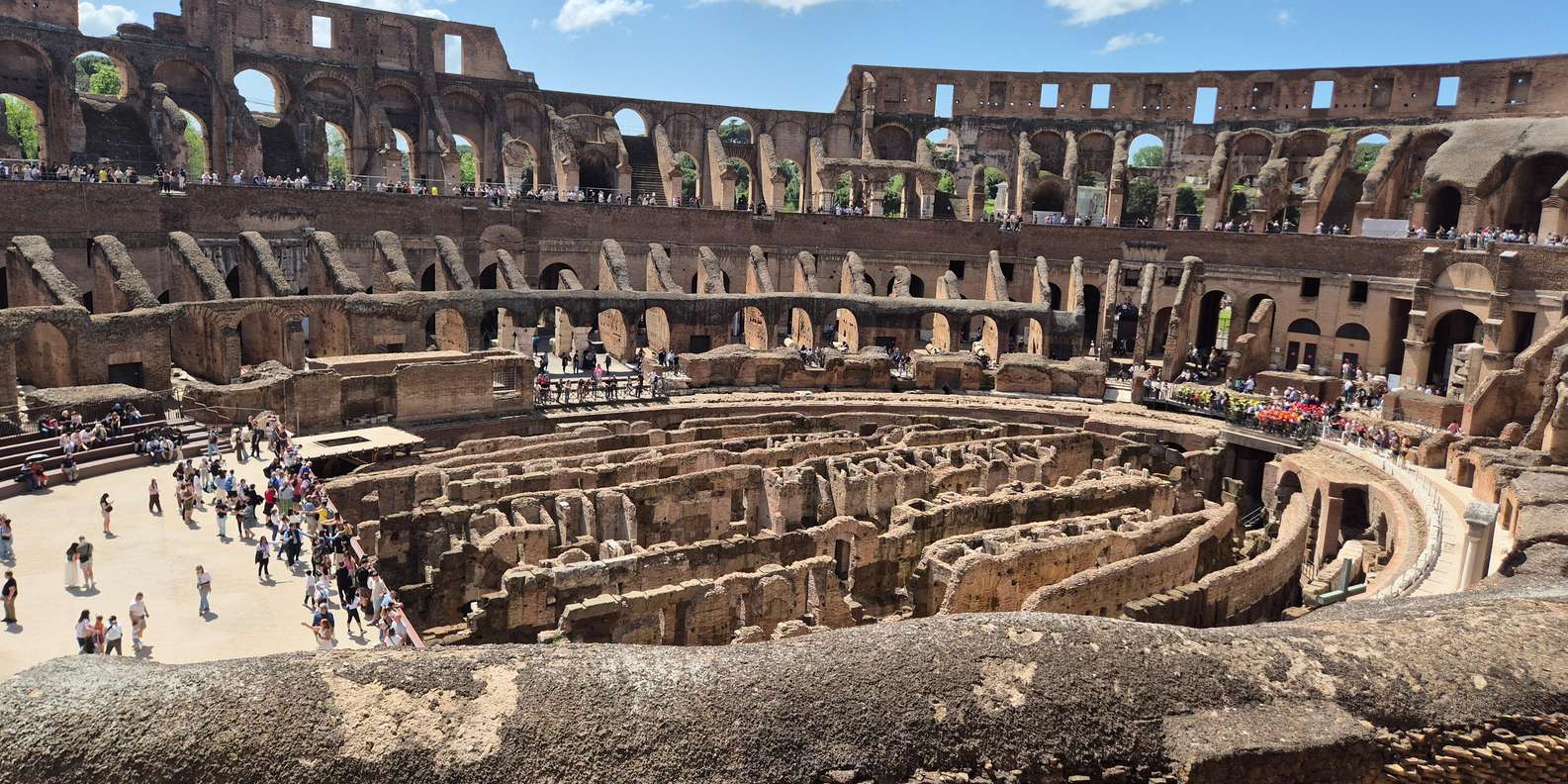
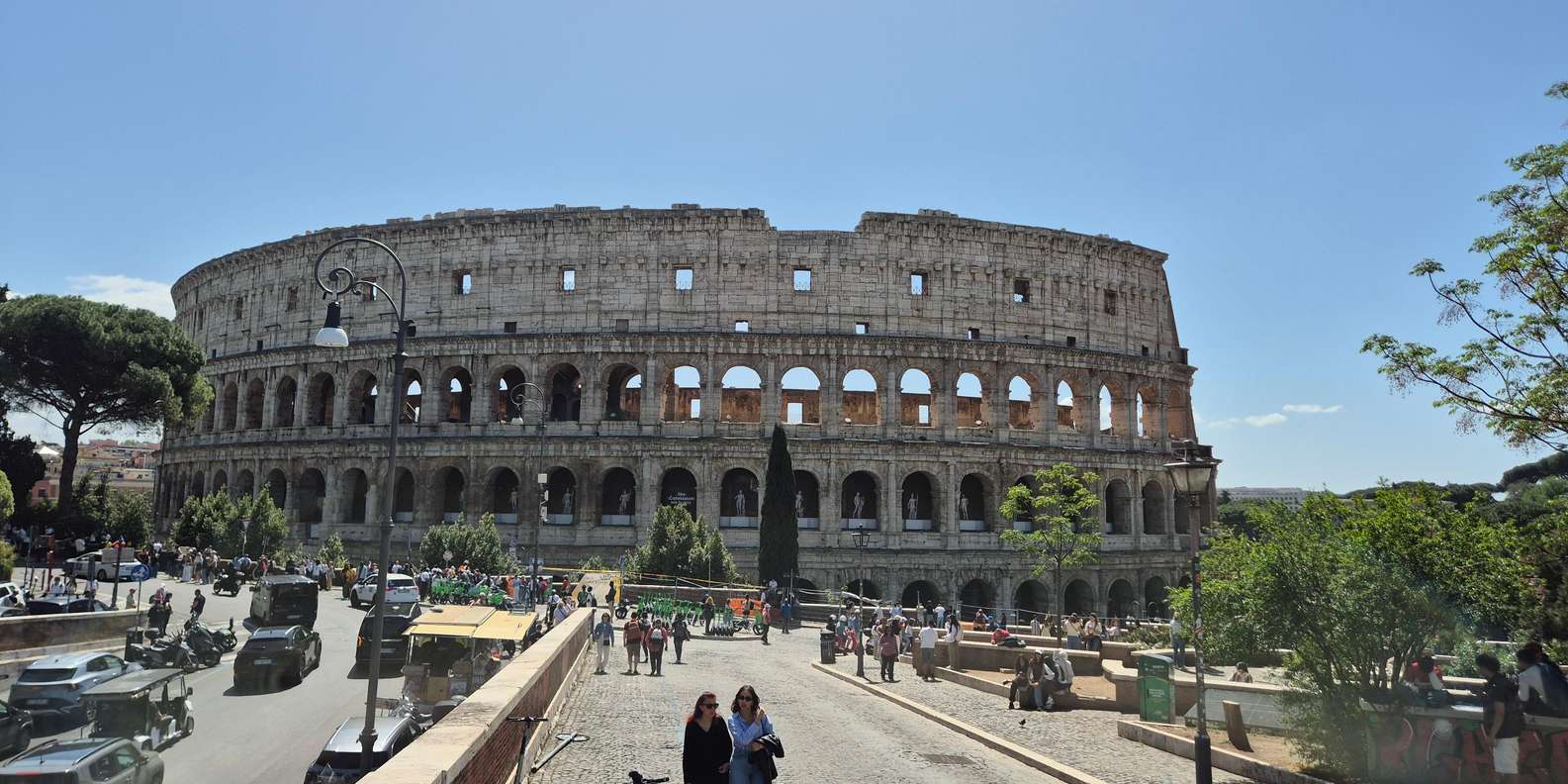
| Free entry 1 — Colosseum, Forum & Palatine (€18 base) | €18 |
| Free entry 2 — Borghese Gallery (€16 base) | €16 |
| 72h unlimited metro, bus & tram (retail €22) | €22 |
| Total value | €56.00 |
| Pass price | −€62.90 |
| Net position | −€6.90 |
You are about €7 down in the best case — before queuing for anything, and before the fees below.
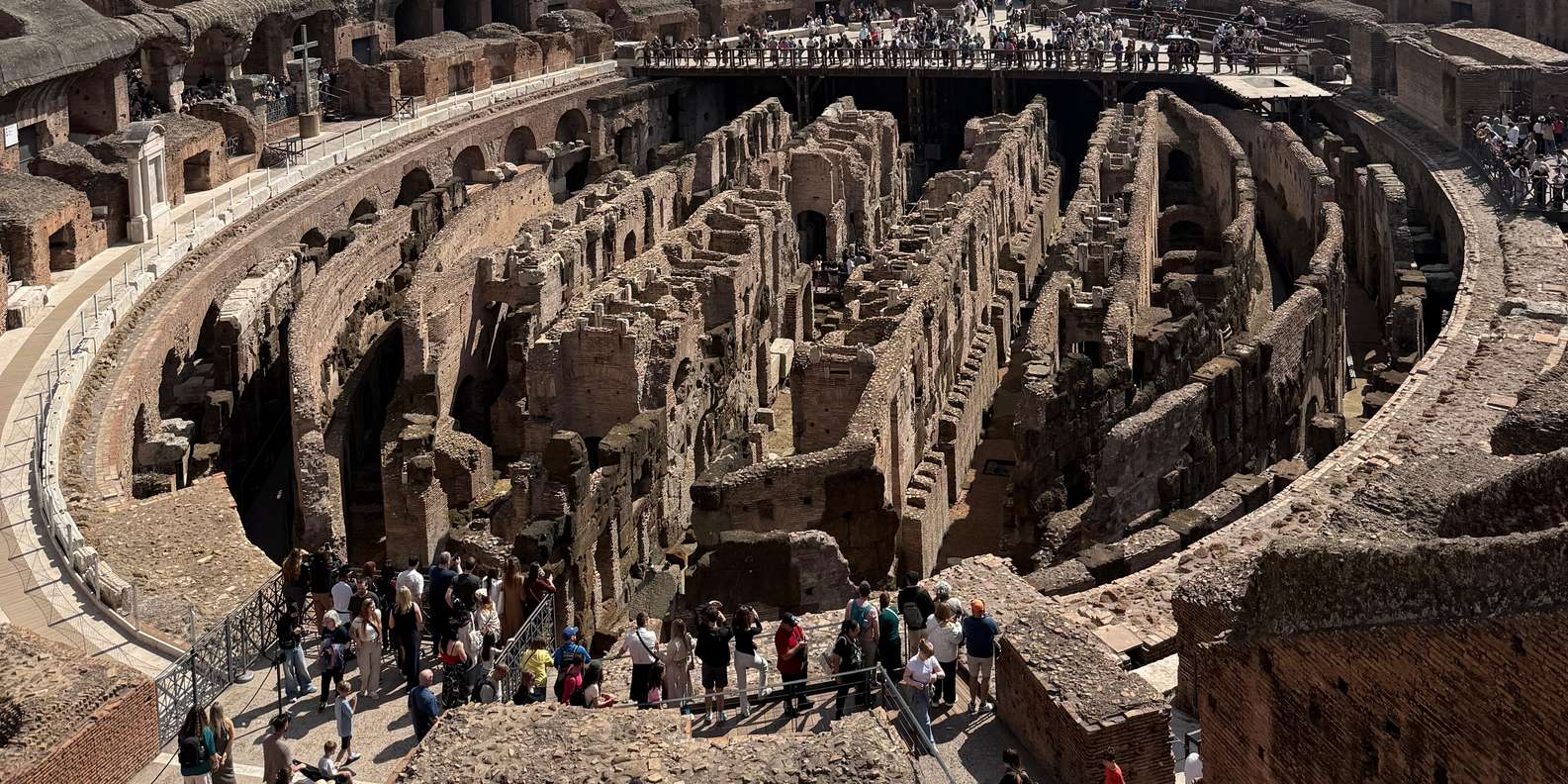
The catch nobody leads with: the mandatory booking fees survive the “free” entry. The Colosseum requires a separate timed reservation carrying a €2 service fee through TicketOne. The Borghese carries a €2 mandatory booking fee. You pay both on top of a pass you’ve already bought. Roma Pass documentation states that reserving by email or by phone through the pass call centre carries no service fee — the same for Borghese and Palazzo Valentini. That route is barely publicised and worth using if you do buy.
The 48-hour pass at €38 is worse: one free Colosseum entry (€18) plus 48 hours of transport (€15) is €33 of value against €38. Look at it another way — you’re paying about €20 for a 48-hour transit pass that retails at €15, and you’d need roughly nine rides in two days to break level.
Break-even arrives at four or more paid attractions inside 72 hours, plus heavy transport use. And notice where the gain comes from when it does: the reduced rates on entries three, four and five — not the two free ones.
Skip it, honestly, if…
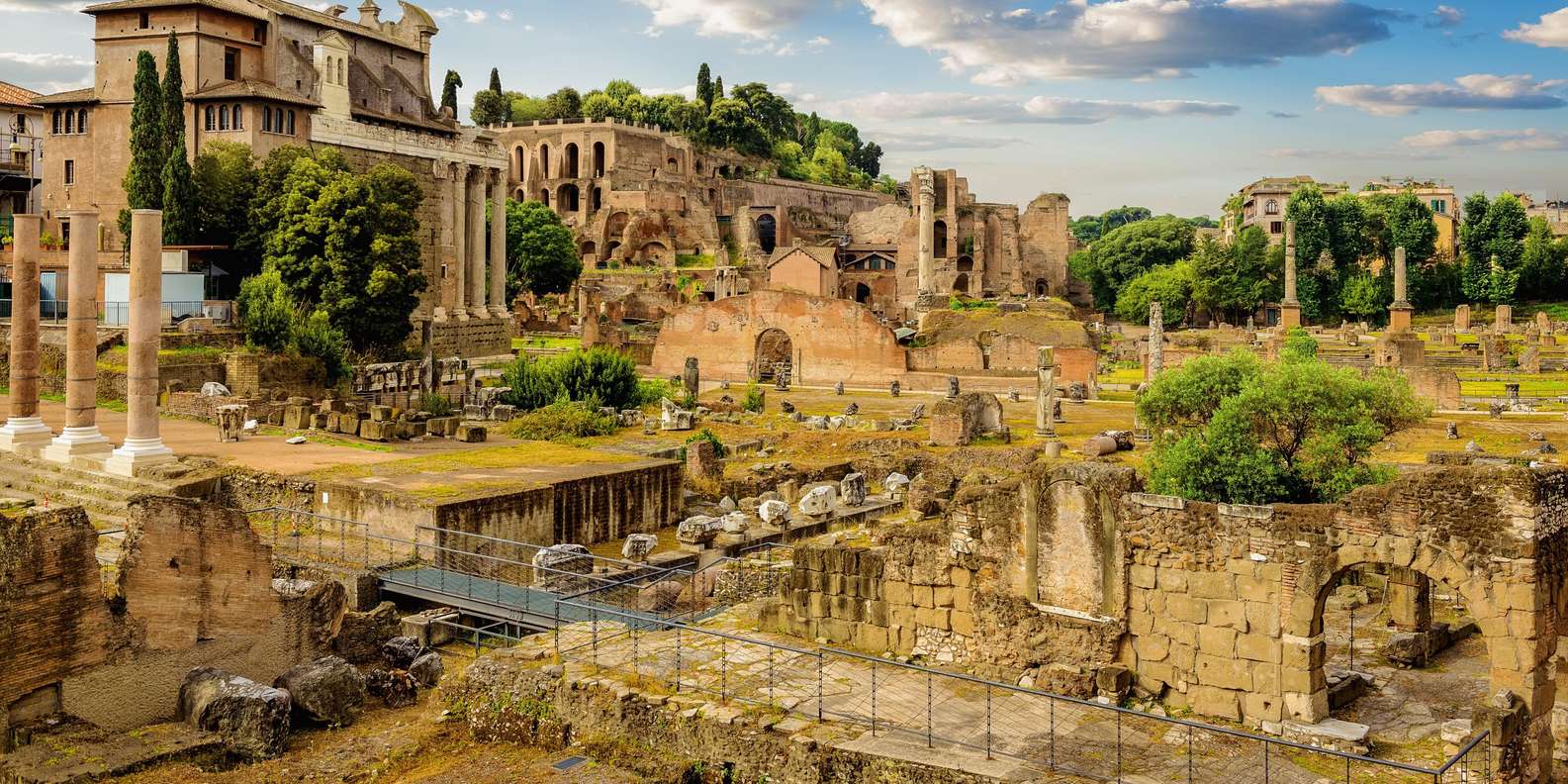
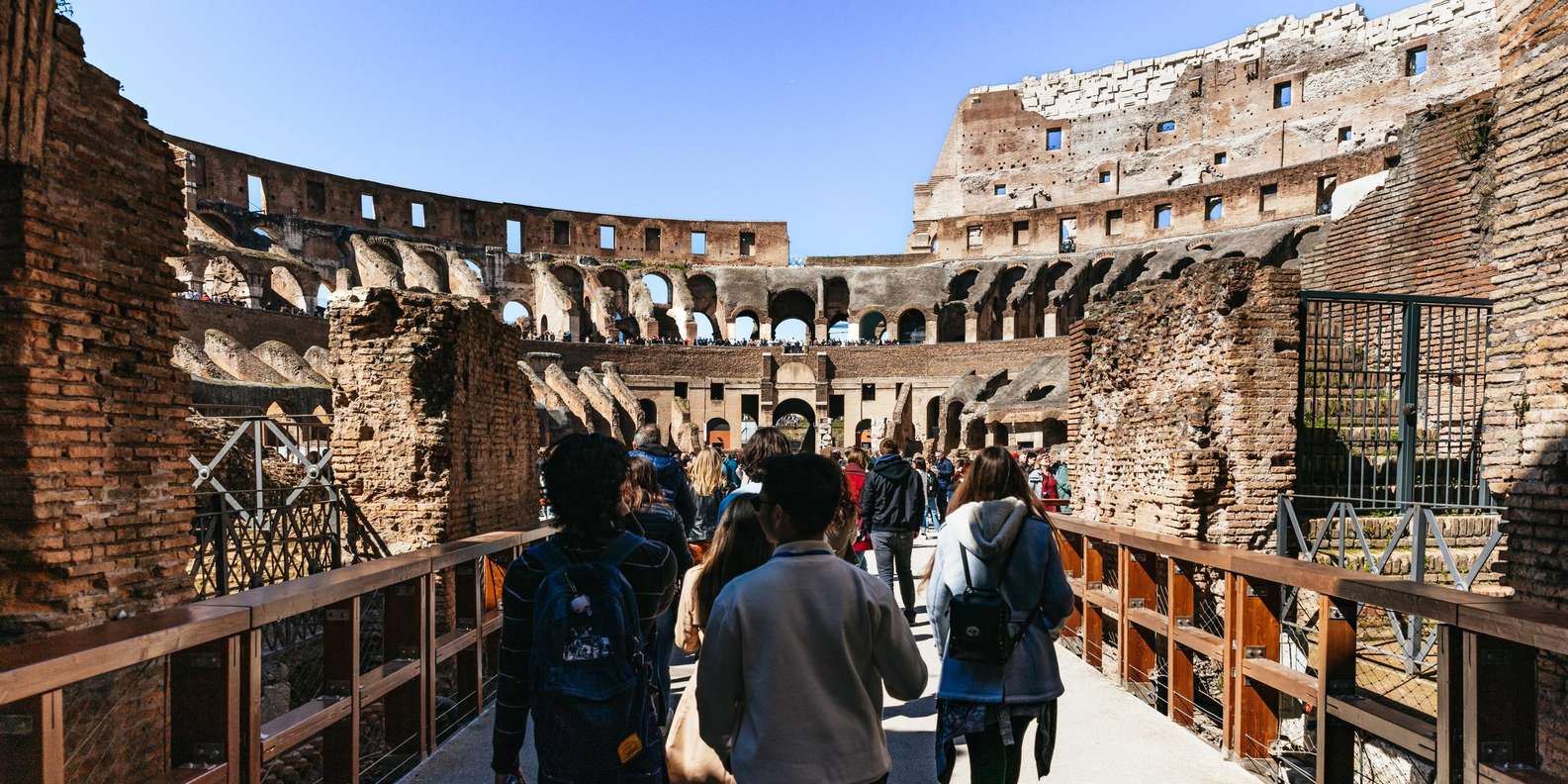
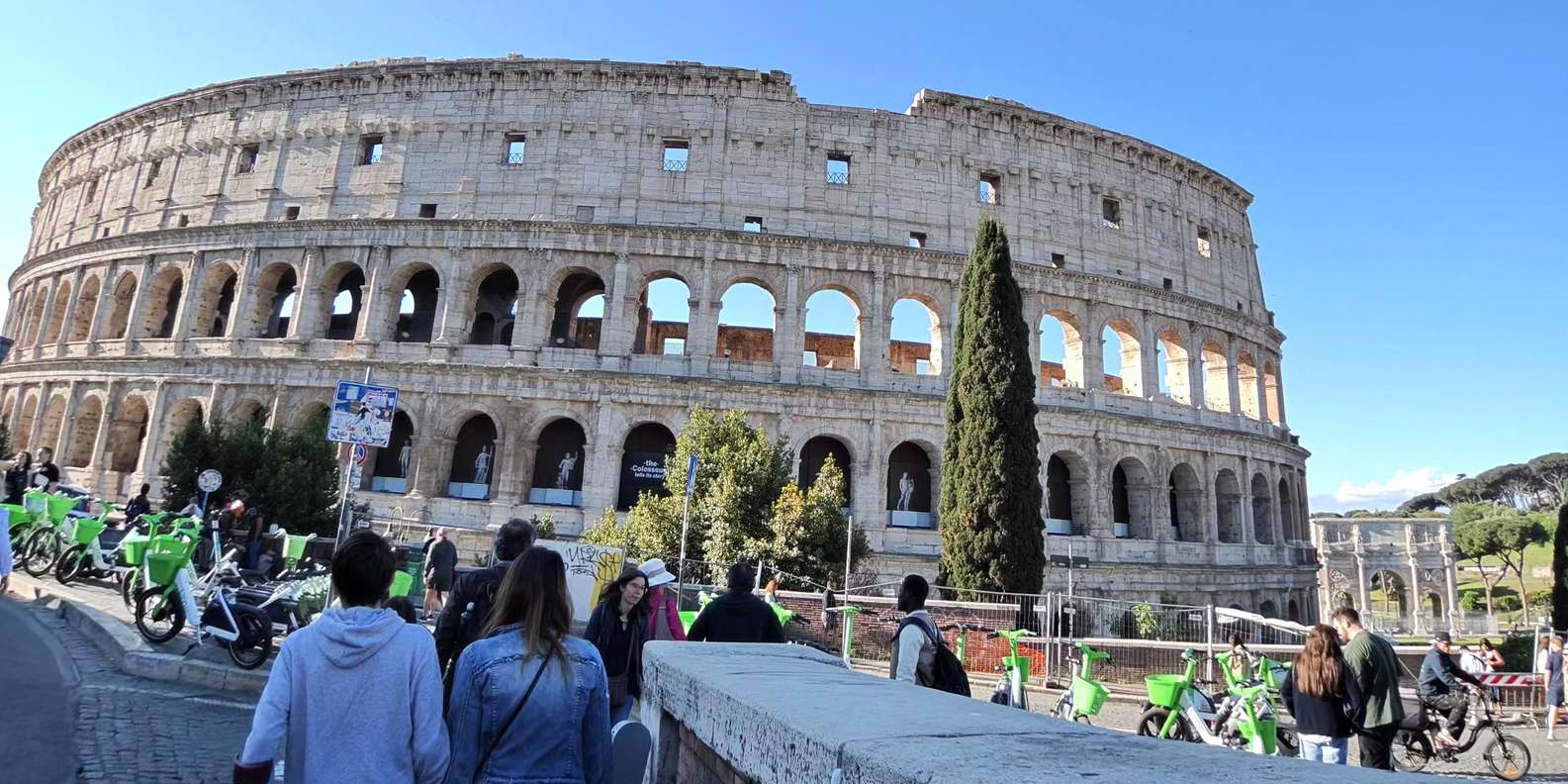
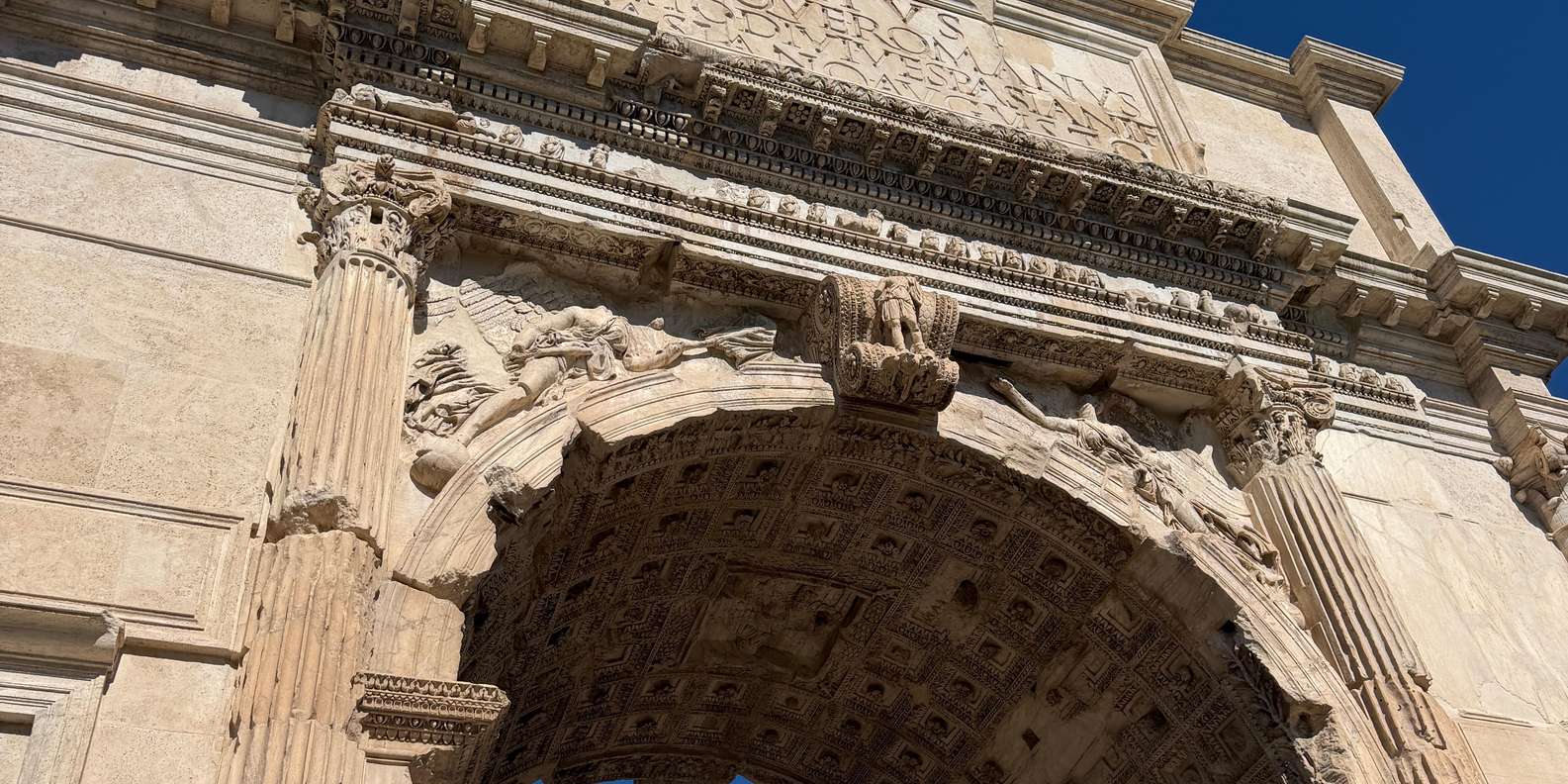
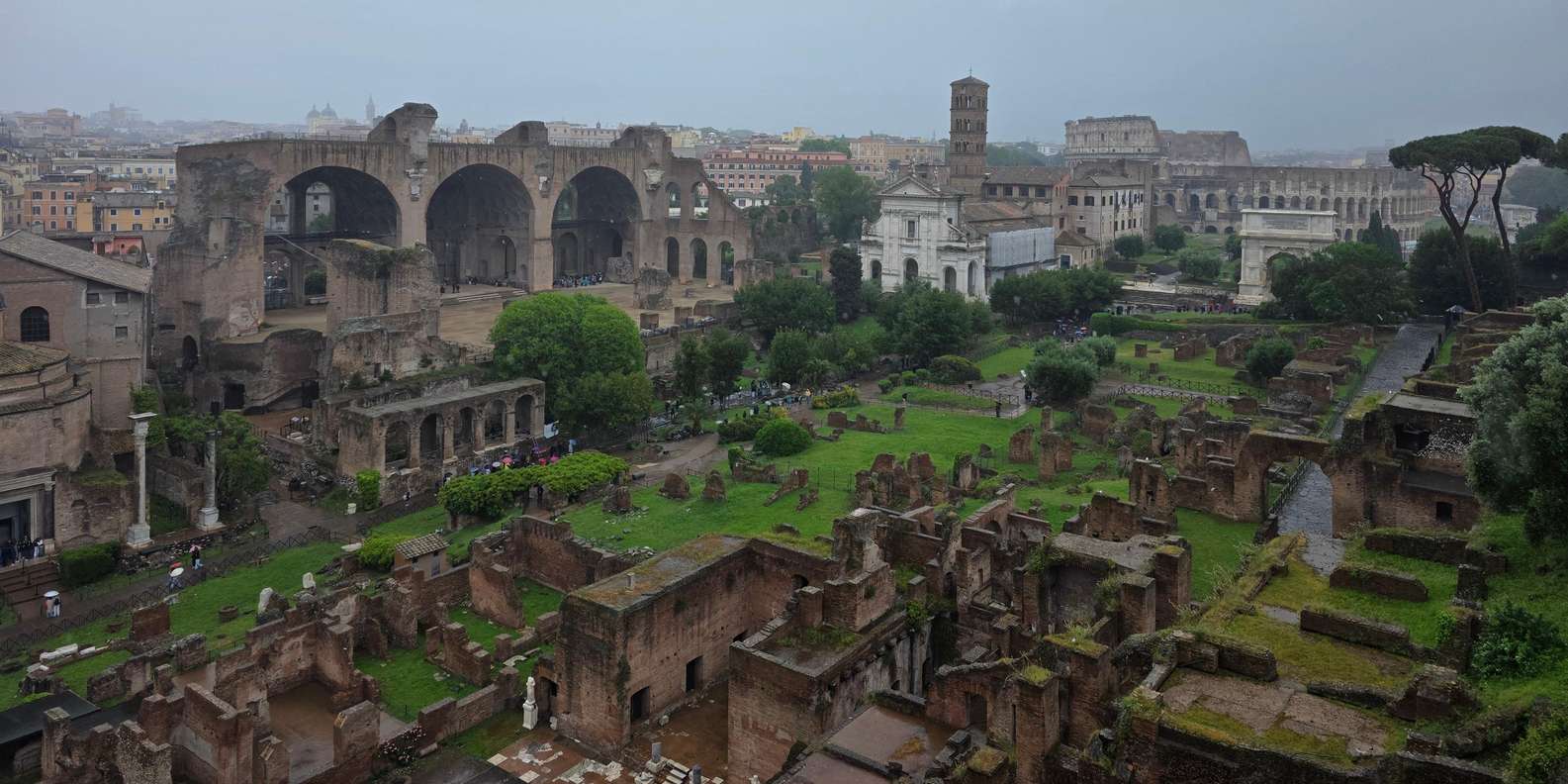
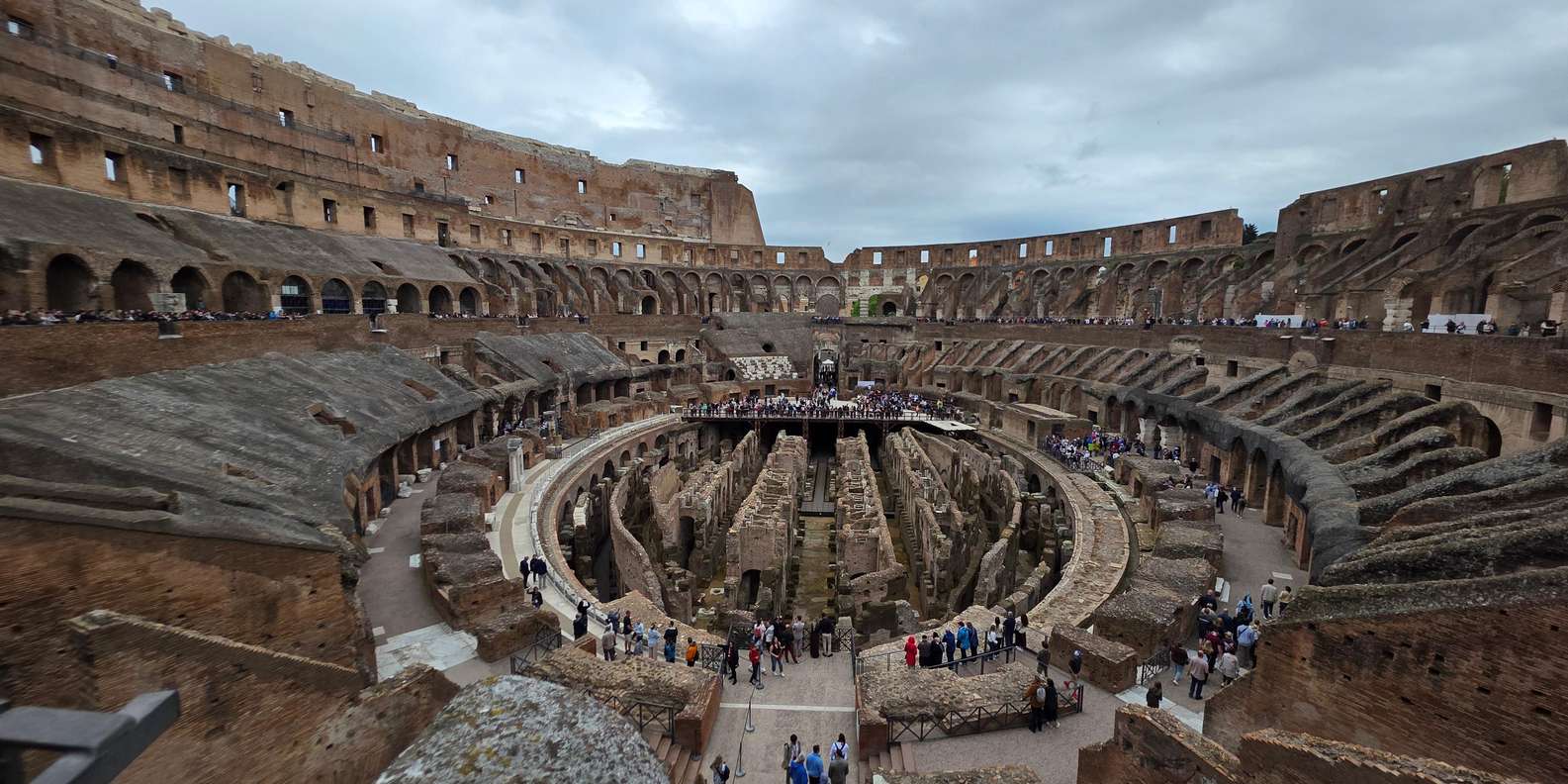
- Your list is “Colosseum plus Vatican.” That’s the most common Rome itinerary there is, and the pass covers exactly one half of it. Book the Colosseum, Roman Forum & Palatine Hill guided tour and the Vatican Museums & Sistine Chapel entrance directly and you’re done, for less.
- You’re in Rome two or three days. There simply isn’t room for four paid museum entries alongside the Forum, Trastevere, the Pantheon and eating properly. The pass needs a museum-dense trip.
- Your trip straddles the first Sunday of the month. State museums are free that day under #DomenicalMuseo — Colosseum, Forum, Palatine, Borghese, Castel Sant’Angelo and the Museo Nazionale Romano included. An overlapping 72-hour pass loses most of its point. (Caveats: Colosseum entry that day is capacity-capped, can be exhausted before midday with one-to-three-hour waits, and arena/underground/attic stay paid.)
- You mainly wanted to stop thinking about tickets. Tap a contactless bank card: €1.50 a ride, automatic €8.50 daily cap. Three days costs at most €25.50 against €22 for the pass. The pass still edges it on price, but “one less thing to manage” is no longer a real advantage — the bank card in your pocket already does it, with no collection point and no activation window.
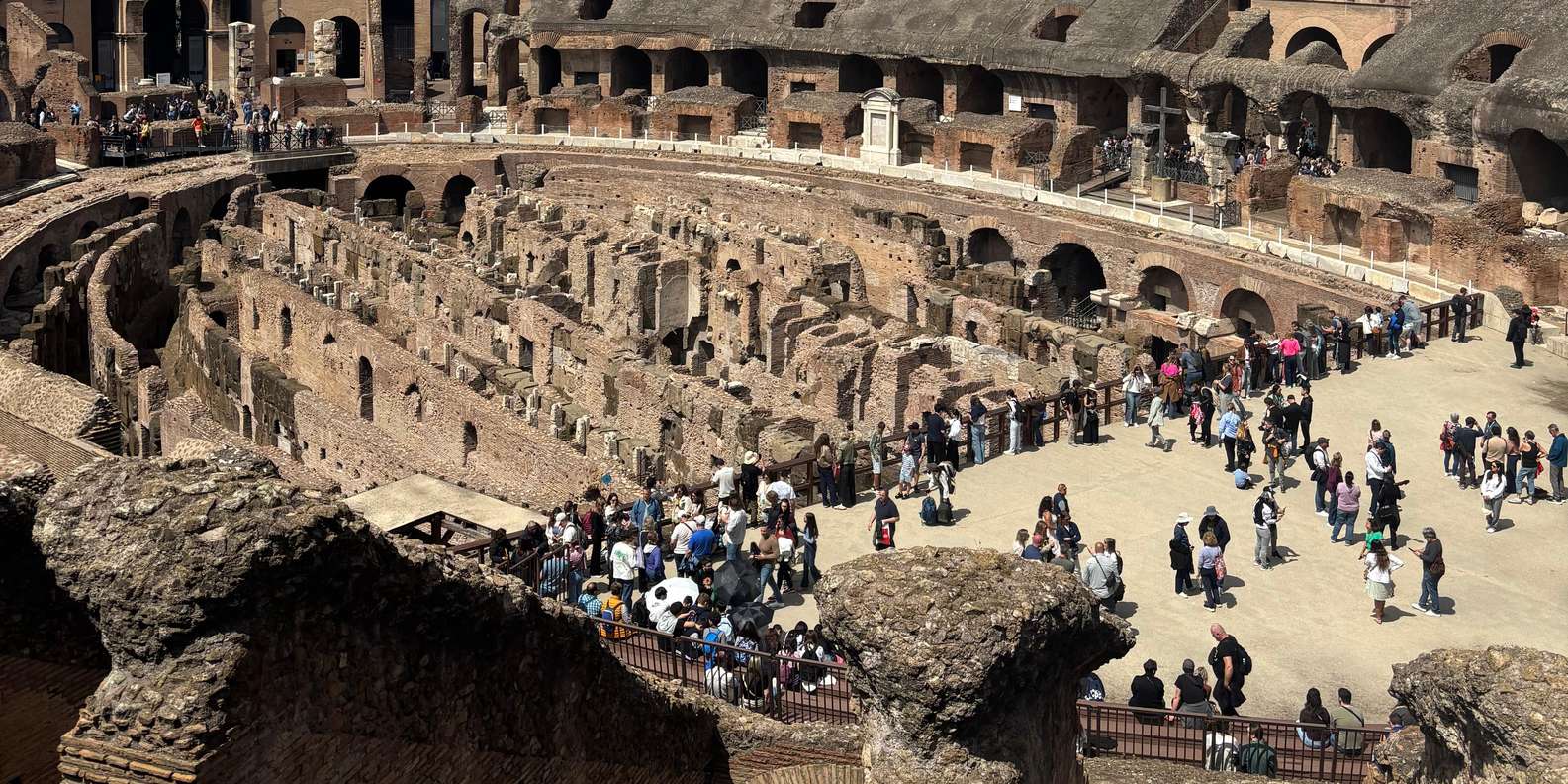
- You’re hoping to skip the queue. The pass moves you out of the ticket-purchase queue only. Security screening is mandatory for everyone, and at the Colosseum and Castel Sant’Angelo that’s usually the queue people actually mean.
Buy it anyway if…
- You’re a genuine museum-goer on a 4+ site run. Capitoline, Museo Nazionale Romano, Ara Pacis, Trajan’s Market, Castel Sant’Angelo — string four or five of those together in 72 hours and the reduced rates compound in your favour.
- You’re staying outside the centre and will ride constantly. If you’re genuinely on the metro six-plus times a day, the transport component alone gets close to earning out.
- You want the decision made. There’s a real, non-financial value in a fixed cost and a card that opens gates. Just buy it knowing you’re paying roughly €7 for that feeling, not saving money.
What we’d book instead
If the arithmetic sent you the other way, this is where our money would go — every figure below verified live on GetYourGuide on 20 July 2026:
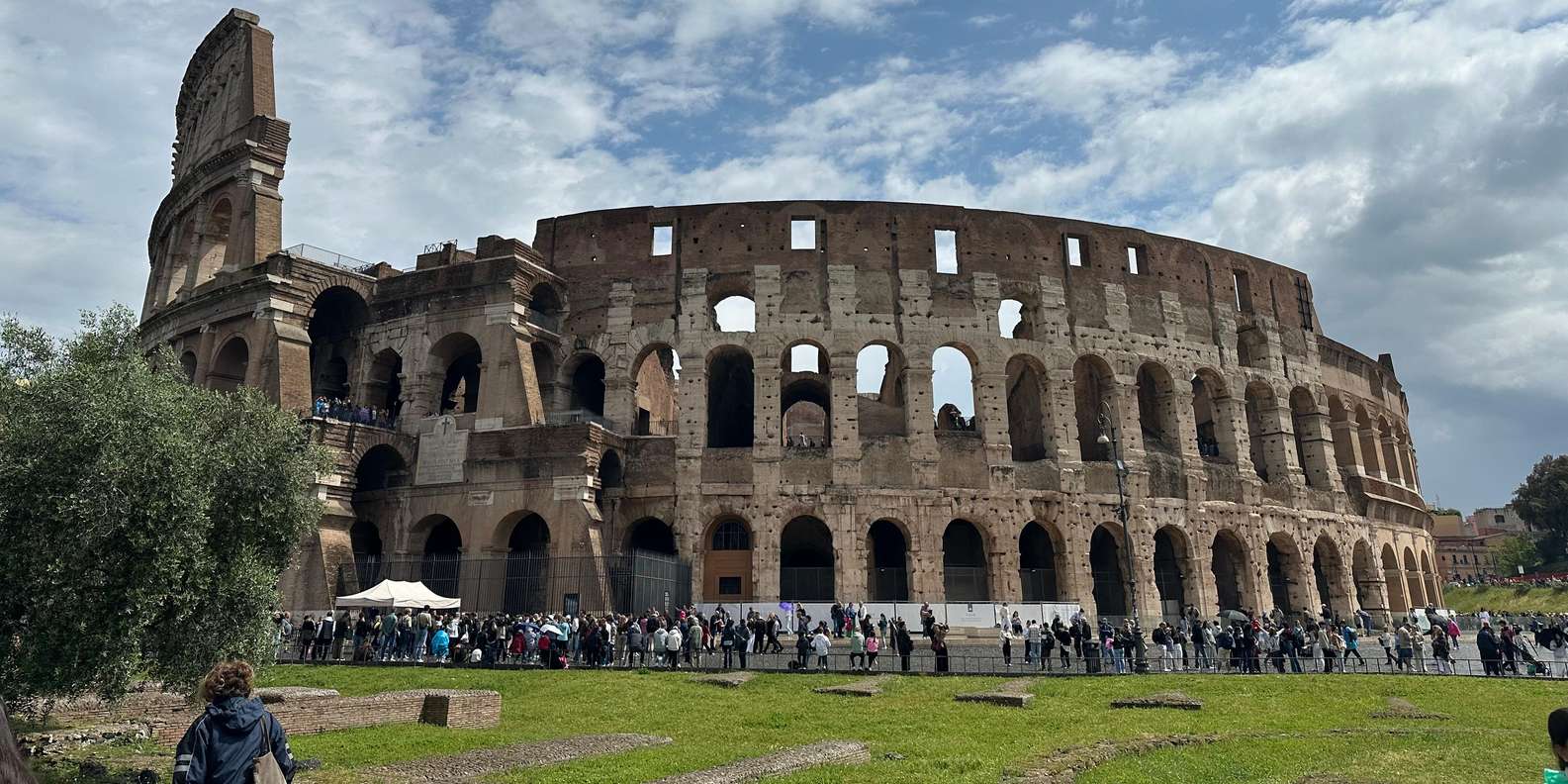
- Colosseum, Roman Forum & Palatine Hill guided tour — 4.8/5 from 86,798 travellers, from $56. Reserved entry is included, so there’s no separate timed-slot scramble. This is the strongest evidence base of anything in Rome and it’s the sight most pass-buyers were really after.
- Vatican Museums & Sistine Chapel entrance — 4.5/5 from 152,939 travellers, from $38. The half the pass can’t cover.
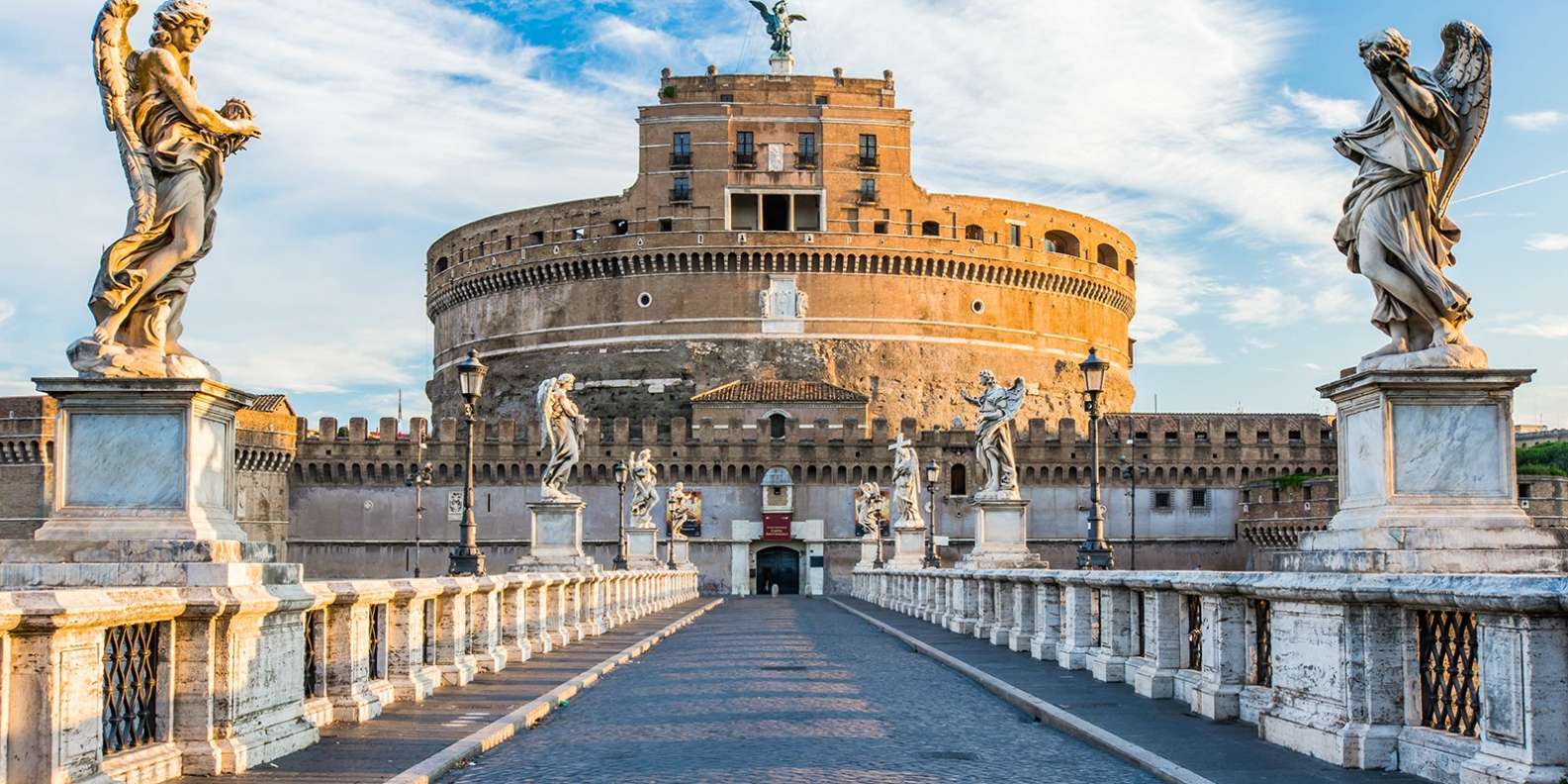
- Castel Sant’Angelo entry with audioguide — 4.6/5 from 8,048 travellers, from $21.
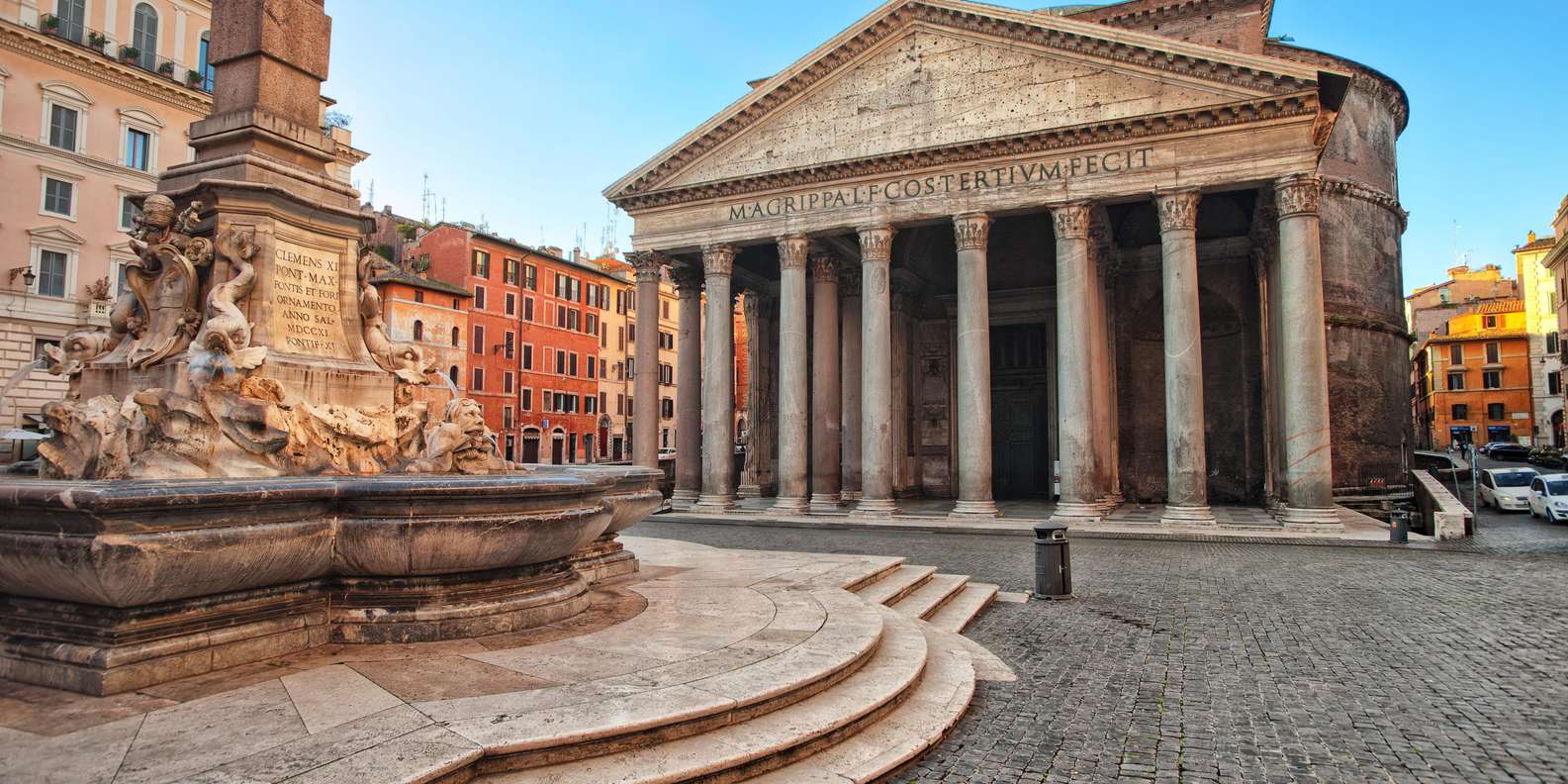
- Pantheon entry with app — 4.5/5 from 8,607 travellers, from $8. Rome’s best value full stop.
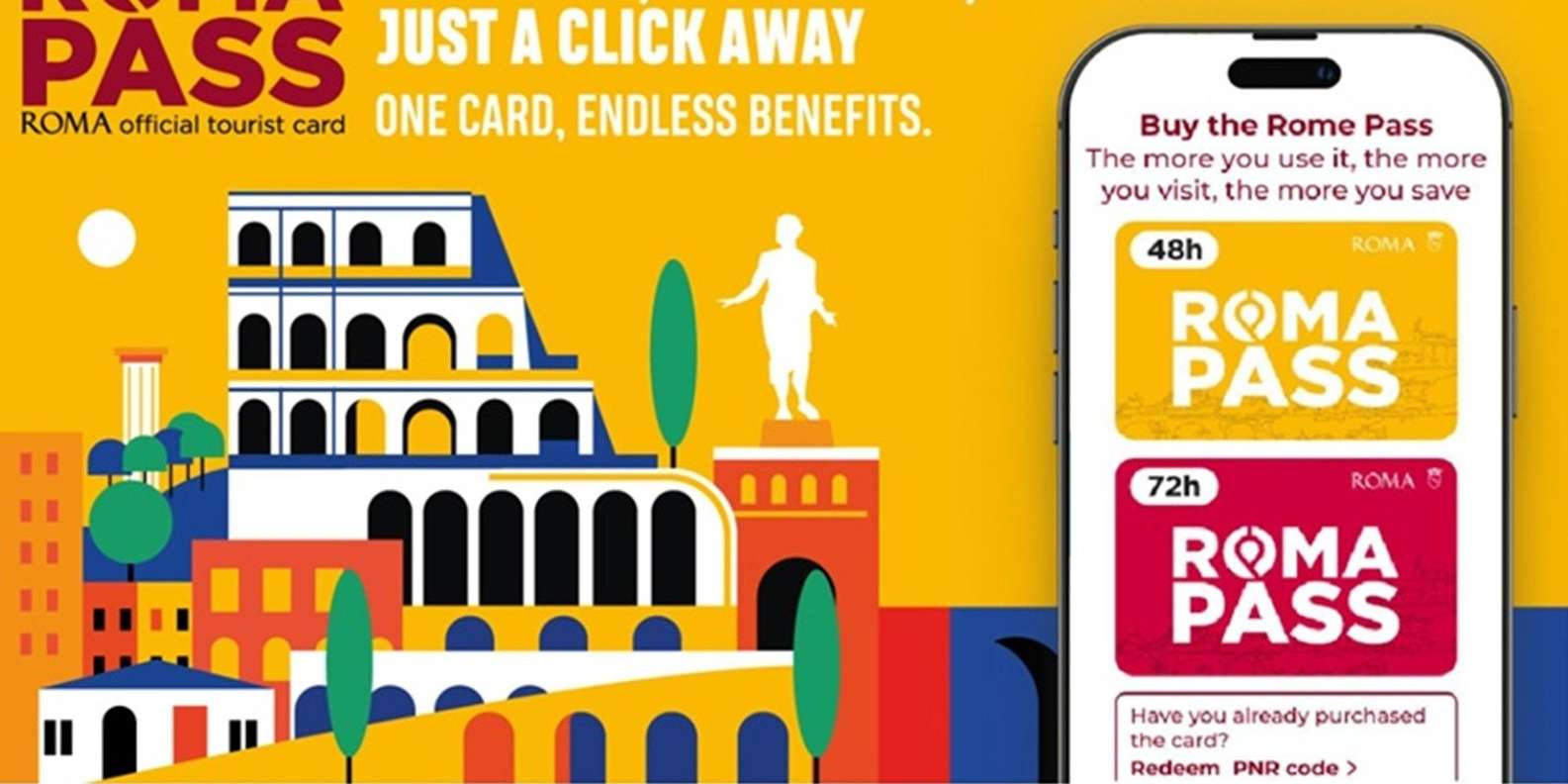
And if you still want the card itself, the Roma Pass is here, honestly labelled.
About that 2.4/5 rating
The current GetYourGuide listing for the official Roma Pass shows 2.4/5 from 27 reviews as of 20 July 2026. We report it because we’d want to know it — but read it precisely. That is feedback on that reseller listing, on a sample of 27, gathered since the listing was re-issued. It is not a measurement of the city card itself, which has served visitors for years. Don’t buy or skip the Roma Pass on 27 reviews. The arithmetic above is the far stronger reason to think twice.
One more piece of honesty about our own position: we looked for institutional consumer analysis of the Roma Pass — Which?, Altroconsumo, the broadsheet travel desks — and found none. A large share of “is the Roma Pass worth it” results are affiliate and reseller pages with a commercial interest in yes. Our verdict rests on arithmetic and independent travellers, not on an authority we can point you to. That gap is a good part of why this page exists.
The official channel is roma-pass.it. Prices in euros come from Roma Capitale visitor-information sites and were current at 20 July 2026; Rome fares and museum admissions move, so re-check before you travel.